Turbomachinery
Steam Turbine
Steam turbines convert thermal energy from pressurized steam into rotary motion using a series of turbine blades optimized for varying pressure. Leaking steam degrades the system’s efficiency and, depending on its location, is very dangerous - since superheated steam is invisible and contains a great deal of energy. Conventional labyrinth seals and carbon ring seals are the most commonly used techniques to prevent parasitic leakage in a steam turbine.
Gas Turbine
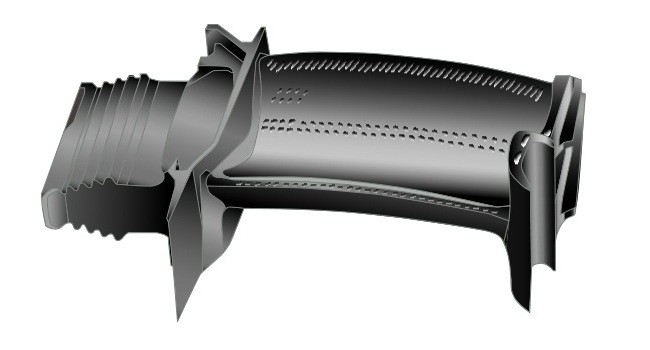
Gas turbines directly extract energy from fuel combustion in the form of shaft power, compressed air supply, or thrust. The very high power-to-weight ratio of gas turbines (when compared to reciprocating engines) makes them the first choice where immense power is desired from a relatively small space. A typical gas turbine has more than 50 sealing locations, each of which significantly effect the machine’s performance. Labyrinth seals, brush seals and floating seals are commonly used in gas turbines. SDM R&D has advanced analysis tools to monitor seal performance and/or create custom seal design. Our experimental facilities include a brush seal stiffness measurement system, a labyrinth and brush seal leakage test system, a floating seal performance monitoring system, as well as high temperature wear and friction test rigs for seal materials.